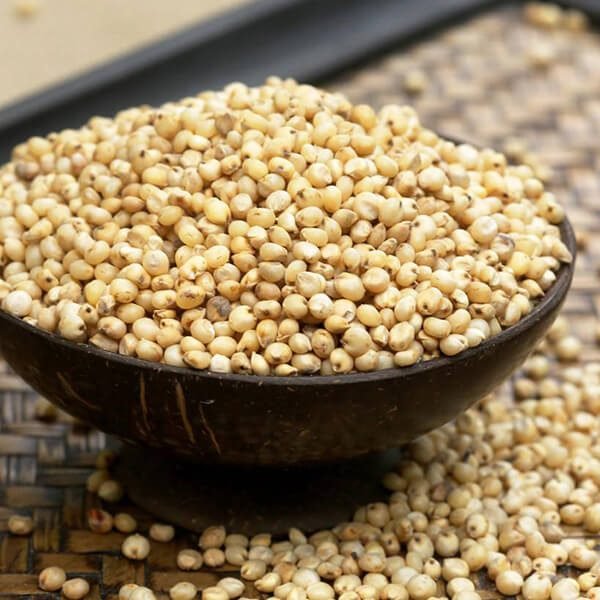
Global demand for gluten-free grains is opening new doors for every Sorghum Millet exporter from India, and importers now want more than a price list. They want clear grades, predictable quality and a partner who understands both the farm and the shipping line. This guide covers what buyers should know about jowar before placing an order.
What Makes Jowar a Strong Export Commodity
Sorghum, known in India as jowar, is one of the most important cereal crops in the world. In India it is grown mainly in Maharashtra, Karnataka, Madhya Pradesh, Rajasthan, Gujarat and Tamil Nadu, largely under rain-fed conditions. Because the plant tolerates heat and drought, it keeps producing in seasons when other cereals are under stress, giving exporters a dependable source of grain. Its naturally gluten-free nature, neutral taste and light colour have made it popular with food manufacturers, bakeries and health-conscious consumers, in addition to its traditional role as feed.
White, Yellow and Red: Choosing the Right Jowar
Jowar is traded in several types, and the right choice depends on the final product. Creamy white grain is preferred for flour, flatbreads and porridge because it gives a light colour and mild flavour, which is why it is a favourite in Middle Eastern and African kitchens. Yellow grain is often used in feed and industrial applications. Red and brown types contain more natural polyphenols and are used in brewing, sprouted products and speciality health foods. Local varieties such as Maldandi and Vikas are known for their milling performance. Tell your supplier the target product so the correct type and grade are matched from the start.
Major End Uses Across Global Markets
The same container of sorghum can serve very different industries, which is a major reason importers value the crop:
- Gluten-free flour and bakery: whole-grain or refined jowar flour for breads, rotis, pancakes and cookies.
- Breakfast and snacks: popped sorghum, flakes, puffs and ready-to-cook mixes.
- Brewing and beverages: used in gluten-free beer and traditional fermented drinks.
- Pet food and animal feed: a cost-effective energy source for poultry, cattle and pet food blends.
- Bio-based products: starch and syrup production in selected industrial markets.
Specifications That Matter in a Sorghum Contract
A clear written specification avoids disagreements once the cargo arrives. Importers should confirm the following points in every offer:
- Moisture: held at or below 12 percent to protect the grain during long voyages.
- Purity: low levels of foreign matter, broken kernels and damaged grain, agreed before shipment.
- Colour and size: uniform kernels with the colour required for the intended product.
- Hygiene: no live insects, and fumigation certification when the destination requires it.
- Safety limits: pesticide residue and mycotoxin levels aligned with import regulations.
Our team cleans every lot through sieving and sorting lines and shares an inspection report, so the contract specification is verified with data rather than assumptions.
Climate-Smart Farming and Sustainable Sourcing
Sustainability is no longer a bonus in procurement; it is a buying criterion. Sorghum needs far less water than many other cereals and grows well on marginal land, which lowers its environmental footprint. Retailers and brand owners in Europe and North America increasingly ask suppliers to document responsible sourcing and traceability. A good exporter should be able to tell you the region, harvest season and handling route of each lot, and should work with farmers and local aggregators who follow sound post-harvest practices.
Packaging, Loading and Transit Planning
Sorghum is commonly packed in 50 kg PP or jute bags, with jumbo bags available for bulk buyers. A 20 ft container generally holds around 24 to 25 metric tons depending on bagging, and cargo from our Rajkot base reaches the Mundra and Kandla ports after a short road journey. Moisture control, clean containers and proper lining help prevent condensation during transit, particularly on long routes through the tropics. Buyers who need private labelling or specific bag markings should share artwork and requirements early so that packing is ready before loading.
Questions Importers Should Ask Before Ordering
- Which type and grade of jowar is being offered, and from which crop year?
- Can you share a pre-shipment sample and an inspection report?
- What are the exact moisture, purity and infestation limits in the contract?
- Which documents will accompany the shipment, and who arranges fumigation?
- What is the loading time after order confirmation, and what payment terms apply?
Selecting a Dependable Sorghum Millet Exporter from India
A good partner combines product knowledge with disciplined execution. Compare suppliers on sample quality, communication speed, clarity of the offer, documentation accuracy and willingness to support repeat orders. A reliable Sorghum Millet exporter from India will also be honest about seasonal price movements and lead times, helping you plan purchases rather than rush them. Request a trial shipment if you are testing a new source, and review the experience before moving to larger volumes.
Start Your Jowar Order with Shalibhadra Export Ventures
At Shalibhadra Export Ventures in Rajkot, Gujarat, we supply export-quality sorghum with controlled moisture, careful cleaning and complete shipping documents. If you are evaluating a Sorghum Millet exporter from India for flour, feed or speciality food use, send us your quantity, destination port and preferred packing through our inquiry form. Our export manager will respond with specifications, samples and a clear quotation so you can compare with confidence.
Quick Export Fact Sheet:
| HS Code | 1007.90 (Grain sorghum, other than seed) |
|---|---|
| Top Markets | UAE, Saudi Arabia, Yemen, Europe, USA, East Asia |
| Loadability | Approx. 24-25 Metric Tons (per 20ft FCL) |
| Bagging | 50kg PP/Jute or 1000kg Jumbo Bags |