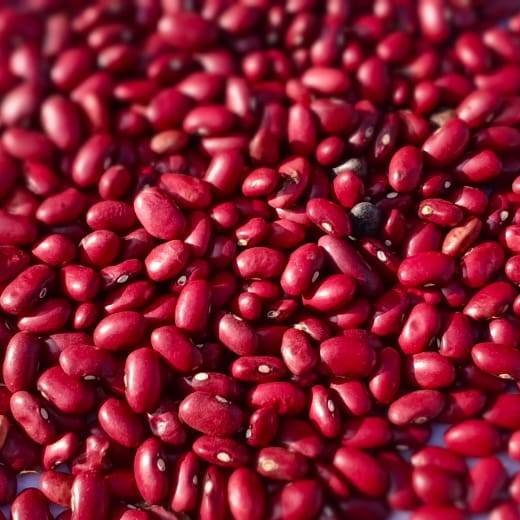
Rajma is more than a comfort food in India; it is a fast-growing export pulse that appears in canned beans, chilli, salads, soups and plant-based meals worldwide. If you are comparing a Kidney Beans exporter from India, this guide explains the varieties, specifications and shipping details that decide whether an order succeeds.
Why Indian Rajma Is Gaining Global Attention
Dried kidney beans are valued for their plant protein, dietary fibre, folate and iron, which makes them a staple of vegetarian and vegan food trends. India grows rajma in hill regions as well as parts of central and western India, and processors in states such as Gujarat clean, grade and pack the beans for overseas buyers. For importers who supply canneries, retail packers, restaurant chains and wholesale markets, Indian rajma offers dependable volumes, a wide choice of varieties and competitive pricing.
Red, Light Speckled and Dark Red: Know Your Variety
Kidney beans are not one product, and choosing the wrong type can damage a recipe or a brand. Red kidney beans have a deep red skin and a firm bite, which is why canners and chilli makers prefer them. Light speckled kidney beans, often called LSKB, are cream coloured with red speckles and are especially popular in the Middle East and Africa. Speckled Chitra-type and Jammu-style rajma are known in India for soft texture and quick cooking. Dark red kidney beans are used in specific cuisines and canning programmes. Share your recipe, cooking method and local taste preference so your supplier can recommend the right variety.
Quality Parameters for Export-Grade Kidney Beans
Beans are sold on size, colour and cleanliness, so each of these should be written into the contract:
- Size: uniform beans graded by sieve size or by count per 100 grams.
- Moisture: at or below 12 percent to prevent mould and insect activity in transit.
- Purity: limits for foreign matter, split beans, broken beans and damaged beans.
- Colour: even skin colour with no mixing of different varieties in the same lot.
- Infestation: no live insects, with fumigation carried out when the destination requires it.
Our team sorts rajma through multi-stage cleaning and colour checking and shares a sample and inspection details so buyers can approve the quality before loading.
Cooking Quality and Why Buyers Test It
A bean that looks perfect can still cook unevenly. Older stock may suffer from the hard-to-cook defect, where beans stay firm even after long boiling, which is a serious problem for canneries and restaurants. Smart importers therefore ask about the crop year, request a small cooking trial and compare soaking and cooking times against their own standard. Beans should swell evenly, keep their shape and develop a creamy interior. Building this simple test into your approval process protects you from complaints further down the supply chain.
Packing, Loading and Shipping Details
Kidney beans are usually shipped in 25 kg or 50 kg polypropylene bags, either new and clean or with private labels. A 20 ft container typically carries roughly 24 to 25 metric tons depending on bag size and stacking, and larger programmes move in 40 ft containers. From Rajkot, containers travel by road to Mundra or Kandla for loading. Fumigation before stuffing and a clean, dry container floor help keep the beans free from pests and moisture, especially during long sailings to Europe, the Americas and Africa.
Compliance, Residue Limits and Documentation
Food safety rules for pulses differ from country to country, and buyers in the European Union, the United States and the Gulf each apply their own limits for pesticide residues and contaminants. Tell your supplier which rules apply to you before the order is confirmed. A professional exporter will then prepare the commercial invoice, packing list, bill of lading, certificate of origin, phytosanitary certificate and any additional test reports needed for clearance. Early clarity on documents is the best way to avoid delays at the destination port.
Common Sourcing Risks and How to Reduce Them
- Mixed varieties in one lot: ask for a clear variety declaration and a photo of the sample.
- Old crop sold as new crop: confirm the harvest year in writing.
- High moisture: insist on a moisture limit and verify it on arrival.
- Weak packaging: choose strong bags and request stitching checks before loading.
- No pre-shipment sample: always approve a sample that matches the contract.
Picking the Right Kidney Beans Exporter from India
The best supplier is the one who makes your supply chain easier. Look for quick technical answers, samples that match the final shipment, transparent pricing and consistent communication after the order is placed. A trustworthy Kidney Beans exporter from India will also help you plan seasonal buying, suggest suitable varieties for your market and be open about lead times. If you are a new buyer, start with a trial container, review the entire experience and then build up to regular shipments.
Request Rajma Samples from Shalibhadra Export Ventures
Shalibhadra Export Ventures supplies export-grade rajma from Rajkot, Gujarat, with careful sorting, flexible packing and complete shipping documents. If you are looking for a Kidney Beans exporter from India to support your canning, retail or wholesale business, send us your preferred variety, quantity and destination port through the inquiry form. Our team will reply with a specification, sample options and a clear quotation.
Quick Export Fact Sheet:
| HS Code | 0713.33 (Kidney beans, dried, shelled) |
|---|---|
| Top Markets | UAE, Saudi Arabia, Europe, USA, Africa, South-East Asia |
| Loadability | Approx. 24-25 Metric Tons (per 20ft FCL) |
| Bagging | 25kg / 50kg PP Bags |