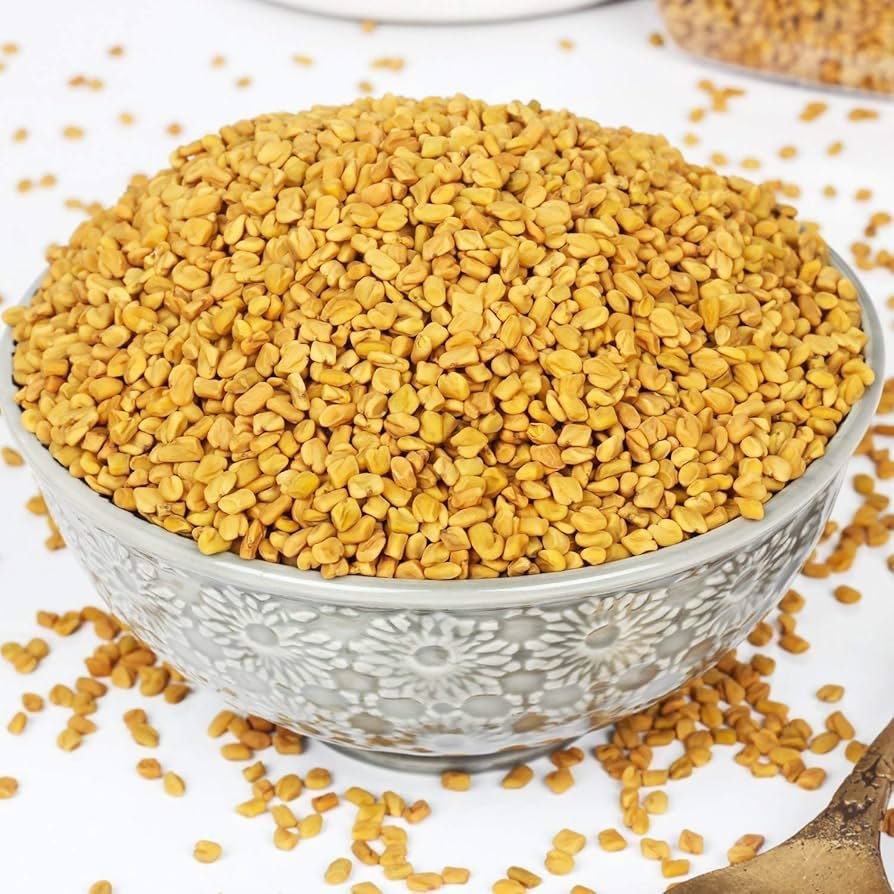
Fenugreek, called methi in India, has a bittersweet aroma that anchors curry powders, pickles, spice blends and herbal products across the world. For importers, finding a trustworthy Fenugreek Seeds exporter from India means securing bold, clean, evenly coloured seed that performs in the kitchen and passes inspection at the border.
Why Fenugreek Seeds Are in Steady Demand
Fenugreek is one of the essential seeds of Indian cooking, but its use now extends far beyond curry. Food manufacturers add it to spice blends, pickles, sauces, breads and snack seasonings, while herbal tea makers and wellness brands use the seed and its extracts in traditional and modern products. This broad range of uses gives importers several markets for the same commodity and keeps demand steady throughout the year.
Where India's Fenugreek Is Grown
Rajasthan is widely recognised as the leading fenugreek-growing state, with Gujarat, Madhya Pradesh and other regions also contributing to supply. The crop is sown in the cooler season and harvested in spring, after which the seed is dried, cleaned and graded. Because the crop depends on weather and local conditions, quality and price can vary from one season to the next. An experienced exporter tracks these changes and chooses lots carefully, so buyers receive consistent seed rather than random stock from the market.
What Good Fenugreek Seed Looks Like
Quality fenugreek is hard, angular and golden-yellow to light amber in colour, with a strong, slightly bitter aroma that is released when the seed is crushed. Bold, uniform seed generally indicates good maturity and careful grading. Warning signs include dark or faded seed, a musty smell, visible dust, stones or broken pieces and any sign of insect damage. Because bitterness and aroma are central to its use, buyers should always smell and taste a sample before approving a lot.
Specifications to Confirm Before You Buy
As with every spice, a clear written specification is the best protection for importers. Ask your supplier to confirm:
- Purity: usually quoted as a percentage, with maximum limits for dust, stones and foreign seeds.
- Moisture: kept low, commonly around 9 to 10 percent maximum, to protect the seed in storage.
- Colour and size: even golden-yellow seed with a consistent, bold grain size.
- Damaged and broken seed: a stated maximum for each grade.
- Safety: no live insects, plus residue and microbiological limits that match your import rules.
Cleaning, Grading and Sterilisation
Raw seed collected from farms always contains dust, small stones and plant matter. Reputable exporters remove these through sieving, air separation and gravity tables, followed by colour and quality checks. For buyers in strict markets, steam sterilisation can reduce microbial load without harming the seed. Maintaining lot records helps trace each shipment back to its source and makes quality claims easier to settle. At Shalibhadra Export Ventures, cleaning and checking are done before bagging, not after, so the packed product matches the approved sample.
Packing and Container Loading
Fenugreek is a dense seed, so containers carry more weight than with light spices such as coriander. A 20 ft container typically holds around 22 to 25 metric tons depending on bags and stacking. Seed is packed in 25 kg or 50 kg PP or jute bags, with private labelling available on request. From Rajkot, shipments move by road to Mundra or Kandla for loading. Dry containers, proper lining and moisture control keep the seed stable during the voyage, and fumigation can be arranged when your destination requires it.
Documents and Compliance
Spice imports are inspected carefully, and missing paperwork is one of the most common reasons for delays. A professional exporter prepares the commercial invoice, packing list, bill of lading, certificate of origin and phytosanitary certificate, together with fumigation or laboratory reports when needed. Share the import rules of your country early, including limits for residues and any labelling requirements, so the documentation team can match the shipment with your regulator's expectations from the start.
Mistakes Importers Should Avoid
- Buying on price alone and ignoring purity and colour differences between offers.
- Approving a sample but not checking that the shipment is drawn from the same lot.
- Overlooking the harvest year, which affects aroma and bitterness.
- Using weak packaging that allows moisture to enter during sea transit.
- Waiting until the last minute to confirm documents and shipping terms.
Choosing a Fenugreek Seeds Exporter from India
The right supplier acts like an extension of your own purchasing team. Look for a Fenugreek Seeds exporter from India who answers questions quickly, provides representative samples, explains grade differences openly and communicates clearly from order confirmation to delivery. Ask about cleaning facilities, packing options and repeat-order capacity. A company that is comfortable sharing these details is more likely to deliver the same quality in every shipment, which is exactly what spice and food businesses need.
Get Fenugreek Seeds from Shalibhadra Export Ventures
Shalibhadra Export Ventures supplies export-quality methi seed from Rajkot, Gujarat, with careful cleaning, flexible packing and complete documentation. If you are comparing a Fenugreek Seeds exporter from India for your next purchase, send us your required grade, quantity and destination port through the inquiry form. Our export team will respond with a sample, a specification and a clear quotation, so you can move forward with confidence.
Quick Export Fact Sheet:
| HS Code | 0910.99 (Other spices, including fenugreek seeds) |
|---|---|
| Top Markets | UAE, Saudi Arabia, Egypt, Europe, USA, Malaysia |
| Loadability | Approx. 22-25 Metric Tons (per 20ft FCL) |
| Bagging | 25kg / 50kg PP or Jute Bags |